Buy hallux.eu ?
We are moving the project
hallux.eu .
Are you interested in purchasing the domain
hallux.eu ?
domain@kv-gmbh.de · 0541-91531010
Buy hallux.eu ?
How tiring is canoeing?
Canoeing can be tiring, especially if you are paddling against strong currents or wind. The physical effort required to paddle for an extended period of time can lead to fatigue in the arms, shoulders, and back. However, the level of tiredness can vary depending on the individual's fitness level and experience with canoeing. Proper technique and pacing can also help to minimize the fatigue associated with canoeing. **
How can one go canoeing?
To go canoeing, one can start by finding a suitable location with calm waters such as a lake, river, or canal. Next, it is important to rent or purchase a canoe, along with essential safety gear such as life jackets and paddles. Before setting out on the water, it is recommended to familiarize oneself with basic paddling techniques and safety guidelines. Finally, enjoy the experience of exploring the waterways and nature while paddling in a canoe. **


Similar search terms for Canoeing
Top-Angebote
Products related to Canoeing:
-
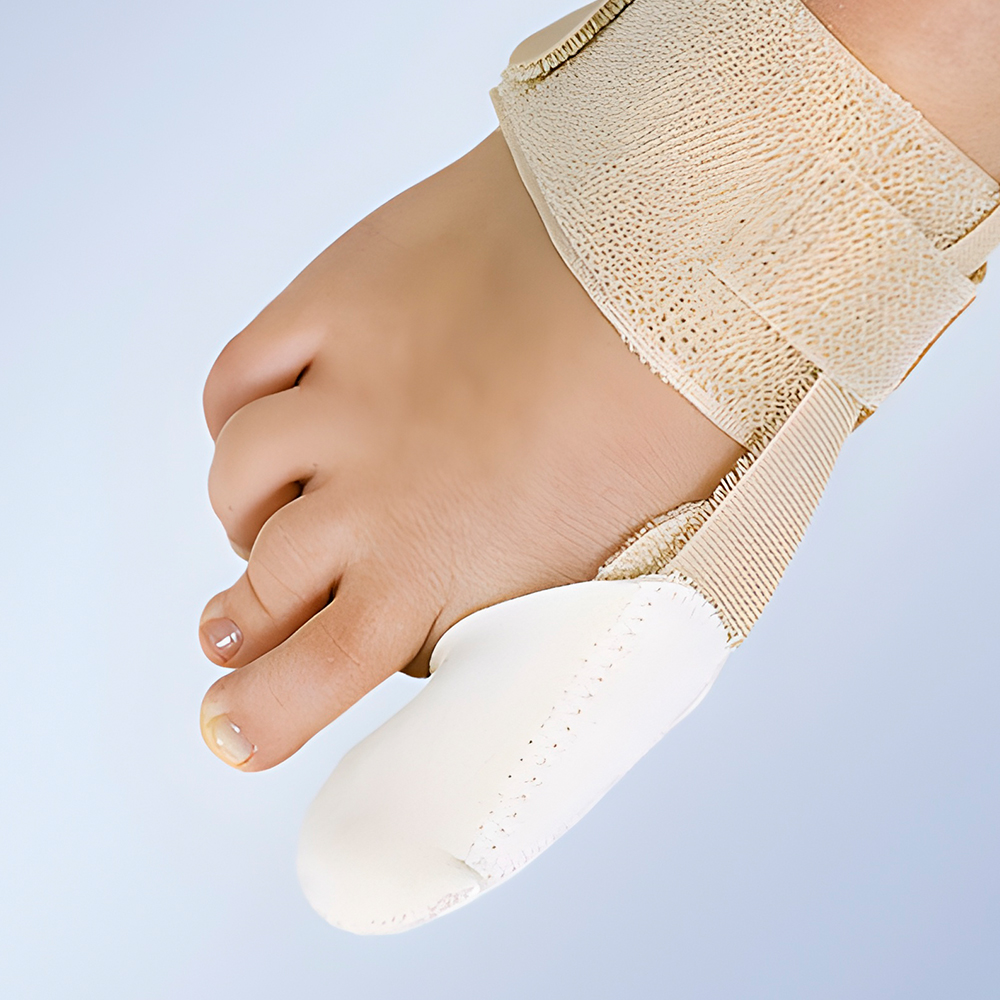
Orliman Daytime Hallux-Valgus Corrector 1 un. Size 1A skin-care product. This product, ref: HV-32. Composed by an abductor splint of moldable aluminium to regulate the position of the big toe. It covers the entire foot, and the perimeter can be regulated. For correction of hallux valgus. Can be used on the left and right foot. Regulate the position of the big toe.17,10 £*Shipping: 5,16 £Secure redirect to the provider
-
Lotus Injury-Free Running by Dr Thomas C Michaud - Paperback - Running Biomechanics & Injury Prevention Guide for RunnersInjury-Free Running is a science-driven guide for runners of every level who want to build strength, refine their form, and prevent injuries. Dr Thomas C Michaud, a leading expert in clinical biomechanics, blends evolutionary biology, gait analysis, and decades of clinical research into practical advice. The book helps readers understand their own body mechanics so they can train smarter, choose the right footwear, and recover from setbacks with confidence. It's an essential companion for anyone serious about running pain-free. The book opens by examining why the human body wasn't originally designed for high-mileage training, and then delves into the biomechanics of walking and running. Dr Michaud guides readers through assessing their own alignment, injury history, and pace to develop a personalized approach to injury prevention.8,99 £*Shipping: 2,99 £Secure redirect to the provider
-
Inspire Curations Waterproof Dog Paw Recovery Cover For Injury And Post Surgery Protection black mGive injured paws an extra layer of protection with this dog paw protector, designed to help keep sensitive areas clean and covered during recovery. The waterproof dog boot helps shield paws from moisture, dirt, and outdoor surfaces while your pet...58,00 $*Shipping: 0,00 $Secure redirect to the provider
-
Inspire Curations Waterproof Dog Paw Recovery Cover For Injury And Post Surgery Protection black sGive injured paws an extra layer of protection with this dog paw protector, designed to help keep sensitive areas clean and covered during recovery. The waterproof dog boot helps shield paws from moisture, dirt, and outdoor surfaces while your pet...53,00 $*Shipping: 0,00 $Secure redirect to the provider


-
What should one wear when canoeing?
When canoeing, it is important to wear clothing that is comfortable and allows for ease of movement. Quick-drying materials such as nylon or polyester are ideal, as they will dry quickly if you get wet. It is also recommended to wear water shoes or sandals with straps to ensure they stay on your feet in case you capsize. Additionally, wearing a hat, sunglasses, and sunscreen is important to protect yourself from the sun's rays while out on the water. **
-
What should I wear for canoeing?
When going canoeing, it is important to wear clothing that is comfortable and allows for ease of movement. Opt for quick-drying materials such as nylon or polyester to stay dry and comfortable on the water. It is also recommended to wear water shoes or sandals with good grip to prevent slipping. Additionally, consider wearing a hat and sunglasses to protect yourself from the sun. **
-
Which muscles are trained when canoeing?
Canoeing primarily works the muscles in the upper body, including the shoulders, arms, chest, and back. The repetitive motion of paddling engages these muscles, particularly the deltoids, triceps, and latissimus dorsi. Additionally, the core muscles are also activated to stabilize the body and maintain balance while paddling. Regular canoeing can help strengthen and tone these muscle groups, improving overall upper body strength and endurance. **
-
What do you need for canoeing?
For canoeing, you will need a canoe, paddles, life jackets, and a safety kit. The canoe should be appropriate for the type of water you will be navigating, and the paddles should be the right size and type for your needs. Life jackets are essential for safety, and a safety kit should include items such as a first aid kit, whistle, and rope. It's also important to consider the weather and bring appropriate clothing and sun protection. **


Which muscles are trained while canoeing?
Canoeing primarily trains the muscles of the upper body, including the arms, shoulders, and back. The repetitive motion of paddling engages the muscles of the arms and shoulders, particularly the deltoids, triceps, and biceps. Additionally, the twisting motion of the torso while paddling engages the muscles of the core and back, including the obliques and latissimus dorsi. Overall, canoeing provides a full-body workout, with a focus on the upper body muscles. **
Why can't he/she go canoeing?
He/she can't go canoeing because he/she has a fear of water and doesn't feel comfortable being in a small boat on the water. Additionally, he/she may not have the necessary swimming skills to feel safe in a canoe. Lastly, he/she may have a physical limitation that prevents him/her from being able to participate in canoeing, such as a recent injury or medical condition. **
Top-Angebote
Products related to Canoeing:
-
Inspire Curations Waterproof Dog Paw Recovery Cover For Injury And Post Surgery Protection black xlGive injured paws an extra layer of protection with this dog paw protector, designed to help keep sensitive areas clean and covered during recovery. The waterproof dog boot helps shield paws from moisture, dirt, and outdoor surfaces while your pet...68,00 $*Shipping: 0,00 $Secure redirect to the provider
-
Useful Little Things Pet Waterproof Paw Protection Cover Post Surgery Injury Shoe Guard For Dogs black mProtect your dog's injured or sensitive paws during recovery with our pet waterproof paw protection cover postsurgery injury shoe guard for dogs. Specially designed to shield bandaged or healing paws from dirt, moisture, bacteria, and outdoor mud,...37,47 $*Shipping: 0,00 $Secure redirect to the provider
-
Orliman Daytime Hallux-Valgus Corrector 1 un. Size 1A skin-care product. This product, ref: HV-32. Composed by an abductor splint of moldable aluminium to regulate the position of the big toe. It covers the entire foot, and the perimeter can be regulated. For correction of hallux valgus. Can be used on the left and right foot. Regulate the position of the big toe.17,10 £*Shipping: 5,16 £Secure redirect to the provider
-
Lotus Injury-Free Running by Dr Thomas C Michaud - Paperback - Running Biomechanics & Injury Prevention Guide for RunnersInjury-Free Running is a science-driven guide for runners of every level who want to build strength, refine their form, and prevent injuries. Dr Thomas C Michaud, a leading expert in clinical biomechanics, blends evolutionary biology, gait analysis, and decades of clinical research into practical advice. The book helps readers understand their own body mechanics so they can train smarter, choose the right footwear, and recover from setbacks with confidence. It's an essential companion for anyone serious about running pain-free. The book opens by examining why the human body wasn't originally designed for high-mileage training, and then delves into the biomechanics of walking and running. Dr Michaud guides readers through assessing their own alignment, injury history, and pace to develop a personalized approach to injury prevention.8,99 £*Shipping: 2,99 £Secure redirect to the provider
-
How tiring is canoeing?
Canoeing can be tiring, especially if you are paddling against strong currents or wind. The physical effort required to paddle for an extended period of time can lead to fatigue in the arms, shoulders, and back. However, the level of tiredness can vary depending on the individual's fitness level and experience with canoeing. Proper technique and pacing can also help to minimize the fatigue associated with canoeing. **
-
How can one go canoeing?
To go canoeing, one can start by finding a suitable location with calm waters such as a lake, river, or canal. Next, it is important to rent or purchase a canoe, along with essential safety gear such as life jackets and paddles. Before setting out on the water, it is recommended to familiarize oneself with basic paddling techniques and safety guidelines. Finally, enjoy the experience of exploring the waterways and nature while paddling in a canoe. **
-
What should one wear when canoeing?
When canoeing, it is important to wear clothing that is comfortable and allows for ease of movement. Quick-drying materials such as nylon or polyester are ideal, as they will dry quickly if you get wet. It is also recommended to wear water shoes or sandals with straps to ensure they stay on your feet in case you capsize. Additionally, wearing a hat, sunglasses, and sunscreen is important to protect yourself from the sun's rays while out on the water. **
-
What should I wear for canoeing?
When going canoeing, it is important to wear clothing that is comfortable and allows for ease of movement. Opt for quick-drying materials such as nylon or polyester to stay dry and comfortable on the water. It is also recommended to wear water shoes or sandals with good grip to prevent slipping. Additionally, consider wearing a hat and sunglasses to protect yourself from the sun. **
Similar search terms for Canoeing
-
Inspire Curations Waterproof Dog Paw Recovery Cover For Injury And Post Surgery Protection black mGive injured paws an extra layer of protection with this dog paw protector, designed to help keep sensitive areas clean and covered during recovery. The waterproof dog boot helps shield paws from moisture, dirt, and outdoor surfaces while your pet...58,00 $*Shipping: 0,00 $Secure redirect to the provider
-
Inspire Curations Waterproof Dog Paw Recovery Cover For Injury And Post Surgery Protection black sGive injured paws an extra layer of protection with this dog paw protector, designed to help keep sensitive areas clean and covered during recovery. The waterproof dog boot helps shield paws from moisture, dirt, and outdoor surfaces while your pet...53,00 $*Shipping: 0,00 $Secure redirect to the provider
-
Inspire Curations Waterproof Dog Paw Recovery Cover For Injury And Post Surgery Protection black lGive injured paws an extra layer of protection with this dog paw protector, designed to help keep sensitive areas clean and covered during recovery. The waterproof dog boot helps shield paws from moisture, dirt, and outdoor surfaces while your pet...63,00 $*Shipping: 0,00 $Secure redirect to the provider
-
Useful Little Things Pet Waterproof Paw Protection Cover Post Surgery Injury Shoe Guard For Dogs black xlProtect your dog's injured or sensitive paws during recovery with our pet waterproof paw protection cover postsurgery injury shoe guard for dogs. Specially designed to shield bandaged or healing paws from dirt, moisture, bacteria, and outdoor mud,...42,47 $*Shipping: 0,00 $Secure redirect to the provider
-
Which muscles are trained when canoeing?
Canoeing primarily works the muscles in the upper body, including the shoulders, arms, chest, and back. The repetitive motion of paddling engages these muscles, particularly the deltoids, triceps, and latissimus dorsi. Additionally, the core muscles are also activated to stabilize the body and maintain balance while paddling. Regular canoeing can help strengthen and tone these muscle groups, improving overall upper body strength and endurance. **
-
What do you need for canoeing?
For canoeing, you will need a canoe, paddles, life jackets, and a safety kit. The canoe should be appropriate for the type of water you will be navigating, and the paddles should be the right size and type for your needs. Life jackets are essential for safety, and a safety kit should include items such as a first aid kit, whistle, and rope. It's also important to consider the weather and bring appropriate clothing and sun protection. **
-
Which muscles are trained while canoeing?
Canoeing primarily trains the muscles of the upper body, including the arms, shoulders, and back. The repetitive motion of paddling engages the muscles of the arms and shoulders, particularly the deltoids, triceps, and biceps. Additionally, the twisting motion of the torso while paddling engages the muscles of the core and back, including the obliques and latissimus dorsi. Overall, canoeing provides a full-body workout, with a focus on the upper body muscles. **
-
Why can't he/she go canoeing?
He/she can't go canoeing because he/she has a fear of water and doesn't feel comfortable being in a small boat on the water. Additionally, he/she may not have the necessary swimming skills to feel safe in a canoe. Lastly, he/she may have a physical limitation that prevents him/her from being able to participate in canoeing, such as a recent injury or medical condition. **
* All prices are inclusive of VAT and, if applicable, plus shipping costs. The offer information is based on the details provided by the respective shop and is updated through automated processes. Real-time updates do not occur, so deviations can occur in individual cases. ** Note: Parts of this content were created by AI.