Buy hallux.eu ?
We are moving the project
hallux.eu .
Are you interested in purchasing the domain
hallux.eu ?
domain@kv-gmbh.de · 0541-91531010
Buy hallux.eu ?
Are tarantulas domesticated?
No, tarantulas are not considered domesticated animals. They are wild creatures that are typically found in their natural habitats, such as forests, deserts, and grasslands. While some people may keep tarantulas as pets, they are not truly domesticated in the same way that dogs, cats, or other animals are. Tarantulas have specific needs and behaviors that are more suited to their natural environment, and they are not typically bred or raised in captivity for the purpose of domestication. **
When were horses domesticated?
Horses were domesticated around 4000-3500 BC on the Eurasian steppes. This marked a significant turning point in human history, as it allowed for faster transportation, agriculture, and warfare. The domestication of horses played a crucial role in the development of many ancient civilizations. **


Similar search terms for Domesticated
Top-Angebote
Products related to Domesticated:
-
Inspired Finds Toe Corrector Bunion Straightener Orthotic Pedicure Sock Soft Big Toe Hallux Valgus Adjuster Toe Corrector Bunion Straightener Orthotic Pedicure Sock Soft Big Toe Hallux Valgus AdjusterSupport more natural toe alignment and reduce bunion discomfort with this soft toe corrector bunion straightener. Designed like a gentle pedicure sock, it helps cradle the big toe, separate it from the others, and encourage better positioning while...34,99 $*Shipping: 0,00 $Secure redirect to the provider
-
Lotus Injury-Free Running by Dr Thomas C Michaud - Paperback - Running Biomechanics & Injury Prevention Guide for RunnersInjury-Free Running is a science-driven guide for runners of every level who want to build strength, refine their form, and prevent injuries. Dr Thomas C Michaud, a leading expert in clinical biomechanics, blends evolutionary biology, gait analysis, and decades of clinical research into practical advice. The book helps readers understand their own body mechanics so they can train smarter, choose the right footwear, and recover from setbacks with confidence. It's an essential companion for anyone serious about running pain-free. The book opens by examining why the human body wasn't originally designed for high-mileage training, and then delves into the biomechanics of walking and running. Dr Michaud guides readers through assessing their own alignment, injury history, and pace to develop a personalized approach to injury prevention.8,99 £*Shipping: 2,99 £Secure redirect to the provider
-
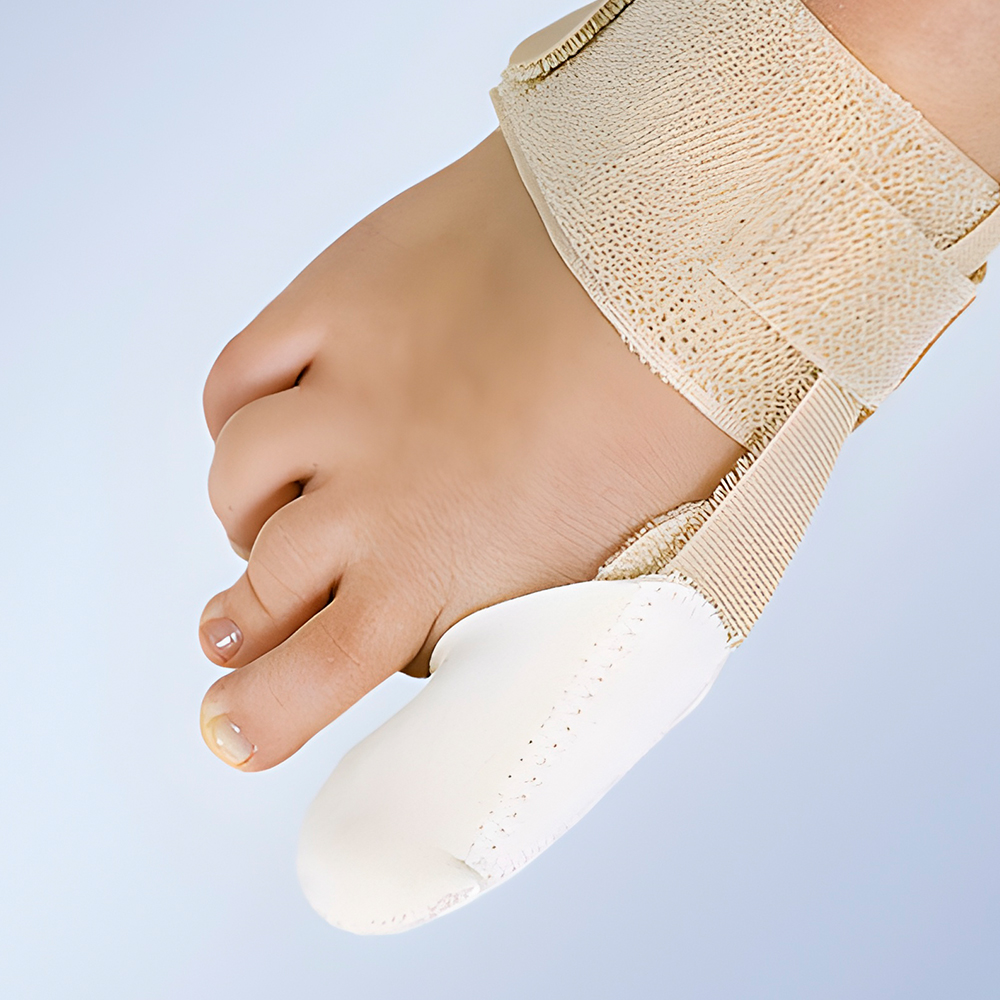
Orliman Daytime Hallux-Valgus Corrector 1 un. Size 1A skin-care product. This product, ref: HV-32. Composed by an abductor splint of moldable aluminium to regulate the position of the big toe. It covers the entire foot, and the perimeter can be regulated. For correction of hallux valgus. Can be used on the left and right foot. Regulate the position of the big toe.17,10 £*Shipping: 5,16 £Secure redirect to the provider
-
Uplifted Trends Stainless Steel Finger Guards For Cutting Hand Protector To Avoid Injury Stainless Steel Finger Guards For Cutting Hand Protector To Avoid InjuryProtect your hands with these stainless steel finger guards, designed to keep your fingers safe while cutting and chopping. Whether you're a professional chef or a home cook, these finger protectors offer peace of mind by preventing accidental...29,97 $*Shipping: 0,00 $Secure redirect to the provider



-
Can a dog be domesticated?
Yes, dogs can be domesticated. Domestication is the process by which animals adapt to living with humans and can be tamed or trained. Dogs have been domesticated for thousands of years and have evolved to form close bonds with humans. Through selective breeding and training, dogs have become one of the most popular and beloved domesticated animals worldwide. **
-
Can large cats be domesticated?
Large cats, such as lions and tigers, are not typically suitable for domestication. These animals have wild instincts and natural behaviors that make them difficult to train and control in a domestic setting. Additionally, their size and strength can pose a danger to humans and other pets. While some people may attempt to keep large cats as pets, it is generally not recommended due to the risks involved and the welfare of the animals. **
-
Why were squirrels never domesticated?
Squirrels were never domesticated because they are highly independent and territorial animals. They have a strong instinct to roam and forage for food in the wild, which makes it difficult for them to adapt to a domesticated lifestyle. Additionally, squirrels are known for their high energy levels and can be difficult to train and control, making them unsuitable for domestication. Finally, their natural behaviors, such as hoarding food and digging, are not conducive to living in a domestic environment. **
-
How were domestic cats actually domesticated?
Domestic cats were likely domesticated around 9,000 years ago in the Near East, where they were attracted to human settlements due to the presence of rodents. Over time, humans began to intentionally breed and care for cats, leading to their domestication. Cats provided valuable pest control for early agricultural societies, and their close relationship with humans eventually led to their widespread domestication and integration into human households. Today, domestic cats are one of the most popular pets worldwide. **


"Is humanity being domesticated through technological progress?"
Humanity is not being domesticated through technological progress in the traditional sense of the word. However, technology does have a significant impact on human behavior and society. It has changed the way we communicate, work, and interact with the world around us. While technology has the potential to shape and influence human behavior, it is ultimately up to individuals and society as a whole to determine how we use and adapt to these advancements. **
Can every animal and plant be domesticated?
Not every animal and plant can be domesticated. Domestication requires certain characteristics such as a willingness to breed in captivity, a diet that can be provided by humans, and a non-aggressive nature. Some animals and plants do not possess these traits and therefore cannot be successfully domesticated. Additionally, domestication is a long and complex process that requires careful selection and breeding over many generations, making it impractical for every species. **
Top-Angebote
Products related to Domesticated:
-
Multicon Wholesale Hub Feet Care Protector Gel Toe Orthopedic, Silicone Toe Separator Finger, Bunion Hallux Valgus Corrector, Pedicure Spacer whiteExperience targeted foot relief with this soft, flexible toe alignment support designed to reduce pressure, improve comfort, and gently guide your toes into a healthier position. Our Silicone Toe Separator Finger offers a cushioned barrier that...24,97 $*Shipping: 0,00 $Secure redirect to the provider
-
Healfit Counter Hammer Protector Hallux Valgus Corrector, Toe Corrector Orthotics Bone Thumb Adjuster, Bunion Corrector Orthopedic Tool leftIf discomfort from bunions, hammer toes, or misaligned joints is slowing you down, this adjustable Toe Corrector Orthotics Bone Thumb Adjuster delivers supportive, noninvasive relief you can trust. Designed for daily wear, it helps improve...27,97 $*Shipping: 0,00 $Secure redirect to the provider
-
Inspired Finds Toe Corrector Bunion Straightener Orthotic Pedicure Sock Soft Big Toe Hallux Valgus Adjuster Toe Corrector Bunion Straightener Orthotic Pedicure Sock Soft Big Toe Hallux Valgus AdjusterSupport more natural toe alignment and reduce bunion discomfort with this soft toe corrector bunion straightener. Designed like a gentle pedicure sock, it helps cradle the big toe, separate it from the others, and encourage better positioning while...34,99 $*Shipping: 0,00 $Secure redirect to the provider
-
Lotus Injury-Free Running by Dr Thomas C Michaud - Paperback - Running Biomechanics & Injury Prevention Guide for RunnersInjury-Free Running is a science-driven guide for runners of every level who want to build strength, refine their form, and prevent injuries. Dr Thomas C Michaud, a leading expert in clinical biomechanics, blends evolutionary biology, gait analysis, and decades of clinical research into practical advice. The book helps readers understand their own body mechanics so they can train smarter, choose the right footwear, and recover from setbacks with confidence. It's an essential companion for anyone serious about running pain-free. The book opens by examining why the human body wasn't originally designed for high-mileage training, and then delves into the biomechanics of walking and running. Dr Michaud guides readers through assessing their own alignment, injury history, and pace to develop a personalized approach to injury prevention.8,99 £*Shipping: 2,99 £Secure redirect to the provider
-
Are tarantulas domesticated?
No, tarantulas are not considered domesticated animals. They are wild creatures that are typically found in their natural habitats, such as forests, deserts, and grasslands. While some people may keep tarantulas as pets, they are not truly domesticated in the same way that dogs, cats, or other animals are. Tarantulas have specific needs and behaviors that are more suited to their natural environment, and they are not typically bred or raised in captivity for the purpose of domestication. **
-
When were horses domesticated?
Horses were domesticated around 4000-3500 BC on the Eurasian steppes. This marked a significant turning point in human history, as it allowed for faster transportation, agriculture, and warfare. The domestication of horses played a crucial role in the development of many ancient civilizations. **
-
Can a dog be domesticated?
Yes, dogs can be domesticated. Domestication is the process by which animals adapt to living with humans and can be tamed or trained. Dogs have been domesticated for thousands of years and have evolved to form close bonds with humans. Through selective breeding and training, dogs have become one of the most popular and beloved domesticated animals worldwide. **
-
Can large cats be domesticated?
Large cats, such as lions and tigers, are not typically suitable for domestication. These animals have wild instincts and natural behaviors that make them difficult to train and control in a domestic setting. Additionally, their size and strength can pose a danger to humans and other pets. While some people may attempt to keep large cats as pets, it is generally not recommended due to the risks involved and the welfare of the animals. **
Similar search terms for Domesticated
-
Orliman Daytime Hallux-Valgus Corrector 1 un. Size 1A skin-care product. This product, ref: HV-32. Composed by an abductor splint of moldable aluminium to regulate the position of the big toe. It covers the entire foot, and the perimeter can be regulated. For correction of hallux valgus. Can be used on the left and right foot. Regulate the position of the big toe.17,10 £*Shipping: 5,16 £Secure redirect to the provider
-
Uplifted Trends Stainless Steel Finger Guards For Cutting Hand Protector To Avoid Injury Stainless Steel Finger Guards For Cutting Hand Protector To Avoid InjuryProtect your hands with these stainless steel finger guards, designed to keep your fingers safe while cutting and chopping. Whether you're a professional chef or a home cook, these finger protectors offer peace of mind by preventing accidental...29,97 $*Shipping: 0,00 $Secure redirect to the provider
-
Normon Bucomed Post-Surgery BrushHealth and Beauty Oral Care Normon Bucomed Post-Surgery Brush What is Bucomed Post-Surgery Brush? Bucomed Post-Surgery Toothbrush is a specialized brush designed for oral care after surgical procedures, tooth extractions, or dental treatments requiring the utmost care. Its soft-bristled head and ergonomic design allow for cleaning teeth and gums without irritating sensitive areas, promoting effective and safe hygiene during recovery. This brush is an essential tool for preventing infections and facilitating healing after dental procedures. Benefits - Gentle and effective cleaning of teeth and gums after dental surgeries. - Prevention of infections in delicate or inflamed areas. - Promotes faster and safer healing. - Extra soft bristles that do not damage sensitive tissues. - Ergonomic design that facilitates handling even with limited mobility. - Compatible with the use of mouthwashes and post-operative hygiene products. Who is it for? Bucomed Post-Surgery Brush is indicated for: - People who have undergone tooth extractions or oral surgeries. - Patients with sensitive or inflamed gums. - Users who need to maintain safe oral hygiene during the postoperative period. - Those who wish to prevent infections and promote recovery after dental procedures. - Adults and teenagers who require a brush with extra soft bristles. How do I apply it? - Moisten the bristles with water before use. - Apply a small amount of mild toothpaste if desired. - Gently brush your teeth and gums using light circular or linear movements. - Avoid putting direct pressure on newly operated areas to prevent pain or bleeding. - Rinse the brush after each use and let it dry upright. Product use The Bucomed Post-Surgery Toothbrush should be used several times a day, as directed by your dentist, especially after meals to maintain hygiene and reduce the risk of infection. Regular use helps keep your mouth clean and fresh during the recovery process. It is recommended to replace the brush every 2-3 weeks or sooner if the bristles show wear. Complement its use with antiseptic mouthwashes and a soft diet to maximize recovery. This brush has been designed to provide safety and comfort during the postoperative period, ensuring that oral hygiene does not interfere with healing or cause additional discomfort. Buy Bucomed Post-Surgery Brush Buying the Bucomed Post-Surgery Toothbrush is easy at pharmacies and online stores specializing in health and dental care products. This toothbrush is an investment in your recovery, offering safe, gentle, and effective cleaning after any oral procedure. Keep the Bucomed Post-Surgery Toothbrush on hand during your post-operative period to ensure optimal hygiene and a more comfortable and safe healing process.4,83 £*Shipping: 3,99 £Secure redirect to the provider
-
Why were squirrels never domesticated?
Squirrels were never domesticated because they are highly independent and territorial animals. They have a strong instinct to roam and forage for food in the wild, which makes it difficult for them to adapt to a domesticated lifestyle. Additionally, squirrels are known for their high energy levels and can be difficult to train and control, making them unsuitable for domestication. Finally, their natural behaviors, such as hoarding food and digging, are not conducive to living in a domestic environment. **
-
How were domestic cats actually domesticated?
Domestic cats were likely domesticated around 9,000 years ago in the Near East, where they were attracted to human settlements due to the presence of rodents. Over time, humans began to intentionally breed and care for cats, leading to their domestication. Cats provided valuable pest control for early agricultural societies, and their close relationship with humans eventually led to their widespread domestication and integration into human households. Today, domestic cats are one of the most popular pets worldwide. **
-
"Is humanity being domesticated through technological progress?"
Humanity is not being domesticated through technological progress in the traditional sense of the word. However, technology does have a significant impact on human behavior and society. It has changed the way we communicate, work, and interact with the world around us. While technology has the potential to shape and influence human behavior, it is ultimately up to individuals and society as a whole to determine how we use and adapt to these advancements. **
-
Can every animal and plant be domesticated?
Not every animal and plant can be domesticated. Domestication requires certain characteristics such as a willingness to breed in captivity, a diet that can be provided by humans, and a non-aggressive nature. Some animals and plants do not possess these traits and therefore cannot be successfully domesticated. Additionally, domestication is a long and complex process that requires careful selection and breeding over many generations, making it impractical for every species. **
* All prices are inclusive of VAT and, if applicable, plus shipping costs. The offer information is based on the details provided by the respective shop and is updated through automated processes. Real-time updates do not occur, so deviations can occur in individual cases. ** Note: Parts of this content were created by AI.