Buy hallux.eu ?
We are moving the project
hallux.eu .
Are you interested in purchasing the domain
hallux.eu ?
domain@kv-gmbh.de · 0541-91531010
Buy hallux.eu ?
What is the fractionation method?
Fractionation is a separation process used in various industries to separate a mixture into its individual components based on their different boiling points. This method involves heating the mixture to a specific temperature, causing the components with lower boiling points to vaporize and rise to the top of the fractionating column, while the components with higher boiling points remain in liquid form. The vaporized components are then condensed back into liquid form and collected as separate fractions. This process allows for the isolation of pure components from a complex mixture. **
Is the fractionation method the same as the separation method?
The fractionation method is a type of separation method. Fractionation involves separating a mixture into its individual components based on their different physical or chemical properties, such as boiling point, solubility, or molecular size. This process results in the formation of fractions, which are the individual components of the mixture. Therefore, while fractionation is a type of separation method, not all separation methods involve fractionation. **


Similar search terms for Fractionation
Top-Angebote
Products related to Fractionation:
-
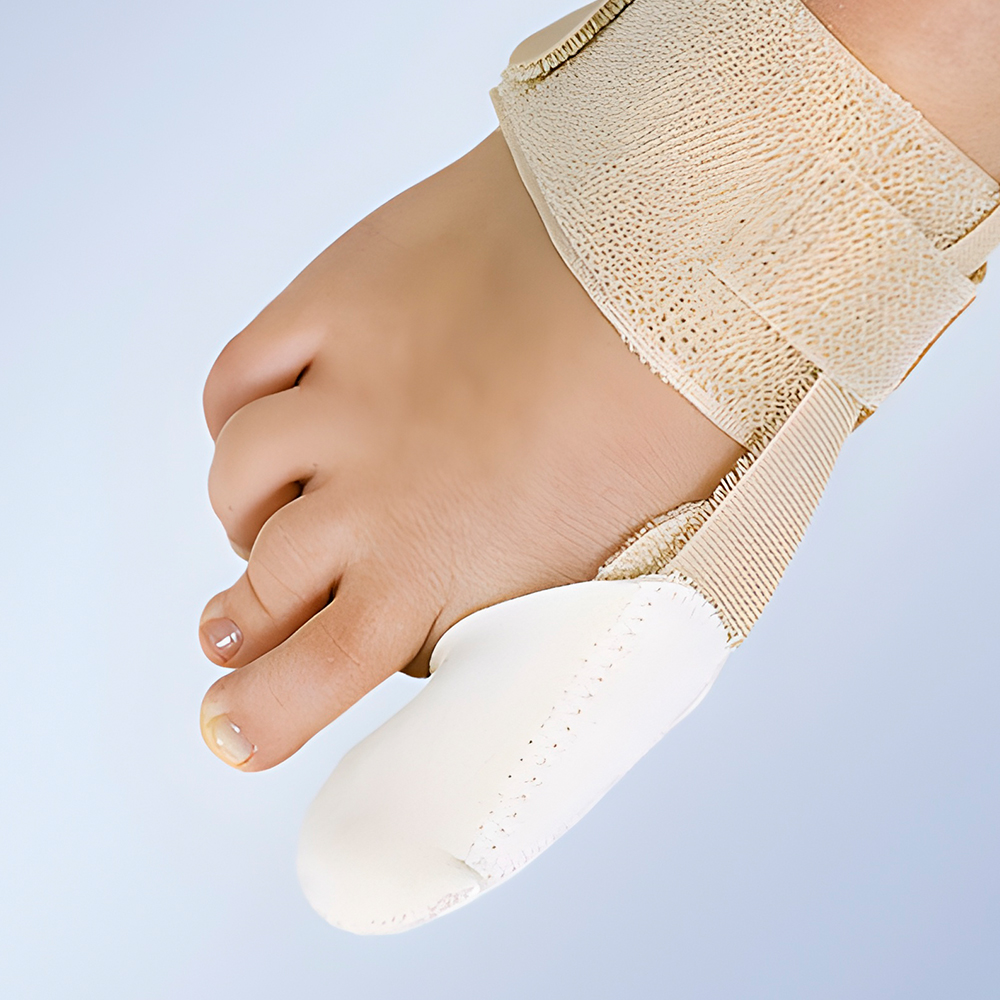
Orliman Daytime Hallux-Valgus Corrector 1 un. Size 1A skin-care product. This product, ref: HV-32. Composed by an abductor splint of moldable aluminium to regulate the position of the big toe. It covers the entire foot, and the perimeter can be regulated. For correction of hallux valgus. Can be used on the left and right foot. Regulate the position of the big toe.17,10 £*Shipping: 5,16 £Secure redirect to the provider
-
Lotus Injury-Free Running by Dr Thomas C Michaud - Paperback - Running Biomechanics & Injury Prevention Guide for RunnersInjury-Free Running is a science-driven guide for runners of every level who want to build strength, refine their form, and prevent injuries. Dr Thomas C Michaud, a leading expert in clinical biomechanics, blends evolutionary biology, gait analysis, and decades of clinical research into practical advice. The book helps readers understand their own body mechanics so they can train smarter, choose the right footwear, and recover from setbacks with confidence. It's an essential companion for anyone serious about running pain-free. The book opens by examining why the human body wasn't originally designed for high-mileage training, and then delves into the biomechanics of walking and running. Dr Michaud guides readers through assessing their own alignment, injury history, and pace to develop a personalized approach to injury prevention.8,99 £*Shipping: 2,99 £Secure redirect to the provider
-
Inspire Curations Waterproof Dog Paw Recovery Cover For Injury And Post Surgery Protection black lGive injured paws an extra layer of protection with this dog paw protector, designed to help keep sensitive areas clean and covered during recovery. The waterproof dog boot helps shield paws from moisture, dirt, and outdoor surfaces while your pet...63,00 $*Shipping: 0,00 $Secure redirect to the provider
-
Inspire Curations Waterproof Dog Paw Recovery Cover For Injury And Post Surgery Protection black sGive injured paws an extra layer of protection with this dog paw protector, designed to help keep sensitive areas clean and covered during recovery. The waterproof dog boot helps shield paws from moisture, dirt, and outdoor surfaces while your pet...53,00 $*Shipping: 0,00 $Secure redirect to the provider


-
Is an orthopedic practice necessary for Hallux Valgus?
An orthopedic practice is not always necessary for Hallux Valgus, also known as a bunion. In many cases, conservative treatments such as wearing proper footwear, using orthotic devices, and doing exercises to strengthen the foot muscles can help alleviate symptoms and slow down the progression of the condition. However, in severe cases where conservative treatments are not effective, or if there is significant pain and deformity, an orthopedic specialist may be needed to discuss surgical options for correcting the bunion. **
-
Can you please help me with the isolation and fractionation of chloroplasts for photosynthesis?
Sure! Isolating and fractionating chloroplasts for photosynthesis involves several steps. First, you would need to extract chloroplasts from plant tissue using a buffer solution and a homogenizer. Then, you can use differential centrifugation to separate the chloroplasts from other cellular components based on their size and density. After that, you can use a sucrose density gradient to further purify and fractionate the chloroplasts based on their buoyant density. Finally, you can collect the chloroplast fractions and use them for studying photosynthesis. Keep in mind that this process requires careful handling and precise techniques to ensure the purity and functionality of the isolated chloroplasts. **
-
Can someone tell me the steps of cell fractionation by density gradient centrifugation with explanation?
Cell fractionation by density gradient centrifugation involves several steps: 1. Homogenization: The first step is to break open the cells and release their contents. This is typically done using a homogenizer or sonicator to disrupt the cell membranes. 2. Centrifugation: The homogenized cell suspension is then centrifuged at a low speed to remove large debris and unbroken cells. This step separates the homogenate into different fractions based on size and density. 3. Density gradient formation: A density gradient solution, such as sucrose or cesium chloride, is prepared and layered in a centrifuge tube. The gradient is formed by layering solutions of increasing density from the bottom to the top of the tube. 4. Centrifugation: The cell homogenate is then layered on top of the density gradient and centrifuged at high speeds. During centrifugation, the different cellular components separate based on their density and form distinct bands within the gradient. **
-
Can someone provide me with the steps of cell fractionation by density gradient centrifugation with explanation?
Cell fractionation by density gradient centrifugation involves separating cellular components based on their density. The steps are as follows: 1. Homogenize the cells to break them open and release their contents. 2. Centrifuge the homogenate at low speed to remove large debris and nuclei. 3. Layer the supernatant on top of a density gradient medium in a centrifuge tube. 4. Centrifuge the tube at high speed, causing cellular components to separate based on their density, with heavier components sinking to the bottom and lighter components staying towards the top. 5. Collect the fractions at different density levels and analyze them to isolate specific cellular components. This method allows for the separation of organelles and other cellular components based on their density, providing researchers with purified fractions for further analysis. **


How does a scar form after a hallux surgery?
After hallux surgery, a scar forms as a natural part of the healing process. During the surgery, an incision is made to access the underlying structures of the big toe. The body then begins to repair the incision by forming new collagen fibers, which eventually create a scar. The scar may appear red and raised at first, but over time it will flatten and fade. Proper wound care and following post-operative instructions can help minimize the appearance of the scar. **
What happens to the big toe after surgery?
After surgery on the big toe, there may be some swelling, bruising, and discomfort in the area. The toe may also be bandaged or placed in a splint to protect it during the initial healing process. It is important to follow post-operative care instructions provided by the surgeon to ensure proper healing and recovery of the big toe. **
Top-Angebote
Products related to Fractionation:
-
Inspire Curations Waterproof Dog Paw Recovery Cover For Injury And Post Surgery Protection black xlGive injured paws an extra layer of protection with this dog paw protector, designed to help keep sensitive areas clean and covered during recovery. The waterproof dog boot helps shield paws from moisture, dirt, and outdoor surfaces while your pet...68,00 $*Shipping: 0,00 $Secure redirect to the provider
-
Useful Little Things Pet Waterproof Paw Protection Cover Post Surgery Injury Shoe Guard For Dogs black sProtect your dog's injured or sensitive paws during recovery with our pet waterproof paw protection cover postsurgery injury shoe guard for dogs. Specially designed to shield bandaged or healing paws from dirt, moisture, bacteria, and outdoor mud,...34,97 $*Shipping: 0,00 $Secure redirect to the provider
-
Orliman Daytime Hallux-Valgus Corrector 1 un. Size 1A skin-care product. This product, ref: HV-32. Composed by an abductor splint of moldable aluminium to regulate the position of the big toe. It covers the entire foot, and the perimeter can be regulated. For correction of hallux valgus. Can be used on the left and right foot. Regulate the position of the big toe.17,10 £*Shipping: 5,16 £Secure redirect to the provider
-
Lotus Injury-Free Running by Dr Thomas C Michaud - Paperback - Running Biomechanics & Injury Prevention Guide for RunnersInjury-Free Running is a science-driven guide for runners of every level who want to build strength, refine their form, and prevent injuries. Dr Thomas C Michaud, a leading expert in clinical biomechanics, blends evolutionary biology, gait analysis, and decades of clinical research into practical advice. The book helps readers understand their own body mechanics so they can train smarter, choose the right footwear, and recover from setbacks with confidence. It's an essential companion for anyone serious about running pain-free. The book opens by examining why the human body wasn't originally designed for high-mileage training, and then delves into the biomechanics of walking and running. Dr Michaud guides readers through assessing their own alignment, injury history, and pace to develop a personalized approach to injury prevention.8,99 £*Shipping: 2,99 £Secure redirect to the provider
-
What is the fractionation method?
Fractionation is a separation process used in various industries to separate a mixture into its individual components based on their different boiling points. This method involves heating the mixture to a specific temperature, causing the components with lower boiling points to vaporize and rise to the top of the fractionating column, while the components with higher boiling points remain in liquid form. The vaporized components are then condensed back into liquid form and collected as separate fractions. This process allows for the isolation of pure components from a complex mixture. **
-
Is the fractionation method the same as the separation method?
The fractionation method is a type of separation method. Fractionation involves separating a mixture into its individual components based on their different physical or chemical properties, such as boiling point, solubility, or molecular size. This process results in the formation of fractions, which are the individual components of the mixture. Therefore, while fractionation is a type of separation method, not all separation methods involve fractionation. **
-
Is an orthopedic practice necessary for Hallux Valgus?
An orthopedic practice is not always necessary for Hallux Valgus, also known as a bunion. In many cases, conservative treatments such as wearing proper footwear, using orthotic devices, and doing exercises to strengthen the foot muscles can help alleviate symptoms and slow down the progression of the condition. However, in severe cases where conservative treatments are not effective, or if there is significant pain and deformity, an orthopedic specialist may be needed to discuss surgical options for correcting the bunion. **
-
Can you please help me with the isolation and fractionation of chloroplasts for photosynthesis?
Sure! Isolating and fractionating chloroplasts for photosynthesis involves several steps. First, you would need to extract chloroplasts from plant tissue using a buffer solution and a homogenizer. Then, you can use differential centrifugation to separate the chloroplasts from other cellular components based on their size and density. After that, you can use a sucrose density gradient to further purify and fractionate the chloroplasts based on their buoyant density. Finally, you can collect the chloroplast fractions and use them for studying photosynthesis. Keep in mind that this process requires careful handling and precise techniques to ensure the purity and functionality of the isolated chloroplasts. **
Similar search terms for Fractionation
-
Inspire Curations Waterproof Dog Paw Recovery Cover For Injury And Post Surgery Protection black lGive injured paws an extra layer of protection with this dog paw protector, designed to help keep sensitive areas clean and covered during recovery. The waterproof dog boot helps shield paws from moisture, dirt, and outdoor surfaces while your pet...63,00 $*Shipping: 0,00 $Secure redirect to the provider
-
Inspire Curations Waterproof Dog Paw Recovery Cover For Injury And Post Surgery Protection black sGive injured paws an extra layer of protection with this dog paw protector, designed to help keep sensitive areas clean and covered during recovery. The waterproof dog boot helps shield paws from moisture, dirt, and outdoor surfaces while your pet...53,00 $*Shipping: 0,00 $Secure redirect to the provider
-
Inspire Curations Waterproof Dog Paw Recovery Cover For Injury And Post Surgery Protection black mGive injured paws an extra layer of protection with this dog paw protector, designed to help keep sensitive areas clean and covered during recovery. The waterproof dog boot helps shield paws from moisture, dirt, and outdoor surfaces while your pet...58,00 $*Shipping: 0,00 $Secure redirect to the provider
-
Useful Little Things Pet Waterproof Paw Protection Cover Post Surgery Injury Shoe Guard For Dogs black mProtect your dog's injured or sensitive paws during recovery with our pet waterproof paw protection cover postsurgery injury shoe guard for dogs. Specially designed to shield bandaged or healing paws from dirt, moisture, bacteria, and outdoor mud,...37,47 $*Shipping: 0,00 $Secure redirect to the provider
-
Can someone tell me the steps of cell fractionation by density gradient centrifugation with explanation?
Cell fractionation by density gradient centrifugation involves several steps: 1. Homogenization: The first step is to break open the cells and release their contents. This is typically done using a homogenizer or sonicator to disrupt the cell membranes. 2. Centrifugation: The homogenized cell suspension is then centrifuged at a low speed to remove large debris and unbroken cells. This step separates the homogenate into different fractions based on size and density. 3. Density gradient formation: A density gradient solution, such as sucrose or cesium chloride, is prepared and layered in a centrifuge tube. The gradient is formed by layering solutions of increasing density from the bottom to the top of the tube. 4. Centrifugation: The cell homogenate is then layered on top of the density gradient and centrifuged at high speeds. During centrifugation, the different cellular components separate based on their density and form distinct bands within the gradient. **
-
Can someone provide me with the steps of cell fractionation by density gradient centrifugation with explanation?
Cell fractionation by density gradient centrifugation involves separating cellular components based on their density. The steps are as follows: 1. Homogenize the cells to break them open and release their contents. 2. Centrifuge the homogenate at low speed to remove large debris and nuclei. 3. Layer the supernatant on top of a density gradient medium in a centrifuge tube. 4. Centrifuge the tube at high speed, causing cellular components to separate based on their density, with heavier components sinking to the bottom and lighter components staying towards the top. 5. Collect the fractions at different density levels and analyze them to isolate specific cellular components. This method allows for the separation of organelles and other cellular components based on their density, providing researchers with purified fractions for further analysis. **
-
How does a scar form after a hallux surgery?
After hallux surgery, a scar forms as a natural part of the healing process. During the surgery, an incision is made to access the underlying structures of the big toe. The body then begins to repair the incision by forming new collagen fibers, which eventually create a scar. The scar may appear red and raised at first, but over time it will flatten and fade. Proper wound care and following post-operative instructions can help minimize the appearance of the scar. **
-
What happens to the big toe after surgery?
After surgery on the big toe, there may be some swelling, bruising, and discomfort in the area. The toe may also be bandaged or placed in a splint to protect it during the initial healing process. It is important to follow post-operative care instructions provided by the surgeon to ensure proper healing and recovery of the big toe. **
* All prices are inclusive of VAT and, if applicable, plus shipping costs. The offer information is based on the details provided by the respective shop and is updated through automated processes. Real-time updates do not occur, so deviations can occur in individual cases. ** Note: Parts of this content were created by AI.