Buy hallux.eu ?
We are moving the project
hallux.eu .
Are you interested in purchasing the domain
hallux.eu ?
domain@kv-gmbh.de · 0541-91531010
Buy hallux.eu ?
How large is the molarity?
The molarity is a unit of concentration that measures the number of moles of solute per liter of solution. It is a measure of the concentration of a solution and is expressed in moles per liter (mol/L). The molarity can vary depending on the amount of solute and solvent present in the solution. **
How do you calculate molarity?
Molarity is calculated by dividing the number of moles of solute by the volume of the solution in liters. The formula for molarity (M) is: Molarity = moles of solute / liters of solution. This calculation allows you to determine the concentration of a solution in terms of the number of moles of solute per liter of solution. **


Similar search terms for Molarity
Top-Angebote
Products related to Molarity:
-
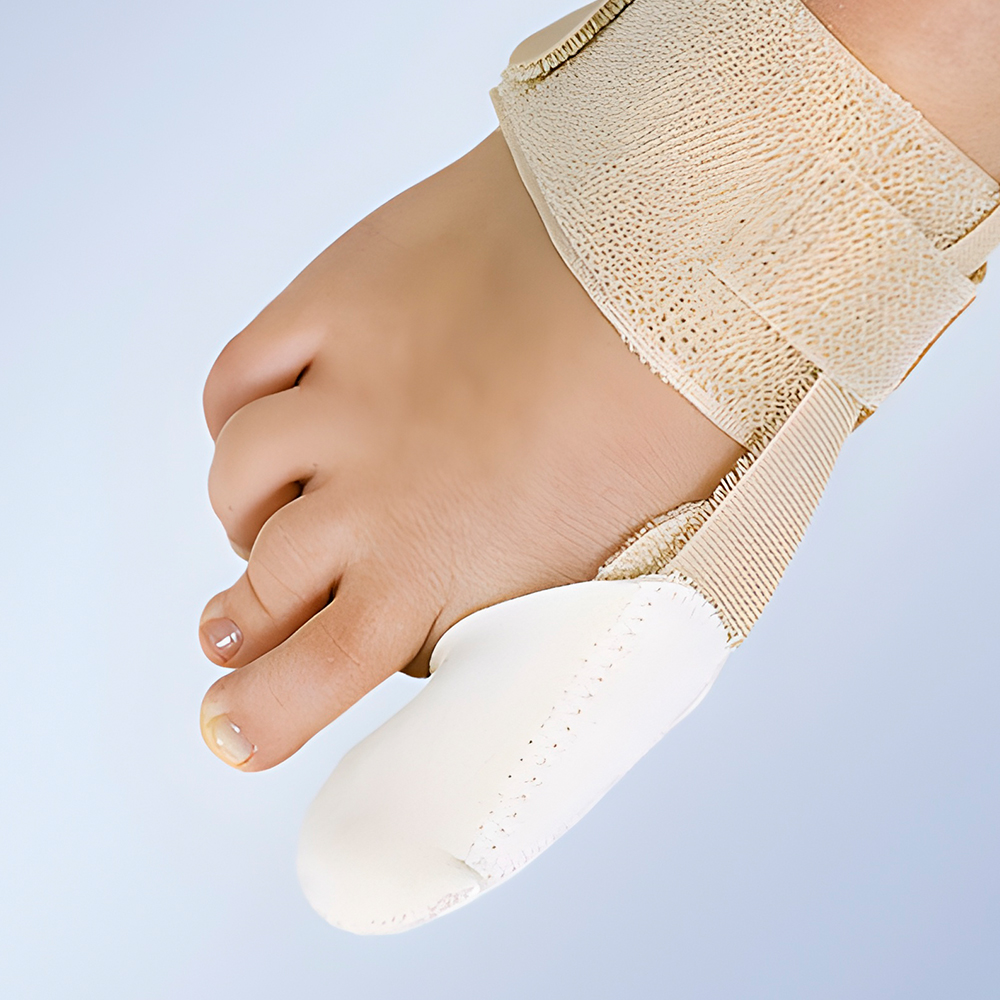
Orliman Daytime Hallux-Valgus Corrector 1 un. Size 1A skin-care product. This product, ref: HV-32. Composed by an abductor splint of moldable aluminium to regulate the position of the big toe. It covers the entire foot, and the perimeter can be regulated. For correction of hallux valgus. Can be used on the left and right foot. Regulate the position of the big toe.17,10 £*Shipping: 5,16 £Secure redirect to the provider
-
Lotus Injury-Free Running by Dr Thomas C Michaud - Paperback - Running Biomechanics & Injury Prevention Guide for RunnersInjury-Free Running is a science-driven guide for runners of every level who want to build strength, refine their form, and prevent injuries. Dr Thomas C Michaud, a leading expert in clinical biomechanics, blends evolutionary biology, gait analysis, and decades of clinical research into practical advice. The book helps readers understand their own body mechanics so they can train smarter, choose the right footwear, and recover from setbacks with confidence. It's an essential companion for anyone serious about running pain-free. The book opens by examining why the human body wasn't originally designed for high-mileage training, and then delves into the biomechanics of walking and running. Dr Michaud guides readers through assessing their own alignment, injury history, and pace to develop a personalized approach to injury prevention.8,99 £*Shipping: 2,99 £Secure redirect to the provider
-
Inspire Curations Waterproof Dog Paw Recovery Cover For Injury And Post Surgery Protection black mGive injured paws an extra layer of protection with this dog paw protector, designed to help keep sensitive areas clean and covered during recovery. The waterproof dog boot helps shield paws from moisture, dirt, and outdoor surfaces while your pet...58,00 $*Shipping: 0,00 $Secure redirect to the provider
-
Inspire Curations Waterproof Dog Paw Recovery Cover For Injury And Post Surgery Protection black sGive injured paws an extra layer of protection with this dog paw protector, designed to help keep sensitive areas clean and covered during recovery. The waterproof dog boot helps shield paws from moisture, dirt, and outdoor surfaces while your pet...53,00 $*Shipping: 0,00 $Secure redirect to the provider


-
What is the molarity of H3O+?
The molarity of H3O+ can be calculated using the formula: Molarity = moles of solute / liters of solution. The molarity of H3O+ in pure water at 25°C is 1.0 x 10^-7 M, as water undergoes autoionization to produce H3O+ and OH- ions. This means that at equilibrium, the concentration of H3O+ ions is 1.0 x 10^-7 M. **
-
What is the molarity of concentrated nitric acid?
The molarity of concentrated nitric acid is typically around 16-18 M (moles per liter). This high concentration makes it a strong acid that is commonly used in various chemical reactions and industrial processes. It is important to handle concentrated nitric acid with care due to its corrosive nature and potential hazards. **
-
What is the difference between molality and molarity?
Molality and molarity are both measures of concentration, but they are calculated differently. Molarity is the number of moles of solute per liter of solution, while molality is the number of moles of solute per kilogram of solvent. This means that molarity depends on the volume of the solution, while molality depends on the mass of the solvent. As a result, molality is a more accurate measure of concentration when there are changes in temperature, as volume can change with temperature but mass remains constant. **
-
Isn't the molar concentration the same as the molarity?
Yes, molar concentration and molarity are essentially the same thing. Both terms refer to the amount of a substance (in moles) dissolved in a given volume of solution (in liters). Molarity is the more commonly used term, but both can be used interchangeably to describe the concentration of a solution. **


How are the pH value, normality, and molarity calculated?
The pH value is calculated using the formula pH = -log[H+], where [H+] is the concentration of hydrogen ions in a solution. Normality is calculated by multiplying the molarity of a solution by the number of equivalents of the solute. Molarity is calculated by dividing the number of moles of solute by the volume of the solution in liters. These calculations are important in chemistry for determining the concentration and acidity/basicity of a solution. **
Is an orthopedic practice necessary for Hallux Valgus?
An orthopedic practice is not always necessary for Hallux Valgus, also known as a bunion. In many cases, conservative treatments such as wearing proper footwear, using orthotic devices, and doing exercises to strengthen the foot muscles can help alleviate symptoms and slow down the progression of the condition. However, in severe cases where conservative treatments are not effective, or if there is significant pain and deformity, an orthopedic specialist may be needed to discuss surgical options for correcting the bunion. **
Top-Angebote
Products related to Molarity:
-
Inspire Curations Waterproof Dog Paw Recovery Cover For Injury And Post Surgery Protection black xlGive injured paws an extra layer of protection with this dog paw protector, designed to help keep sensitive areas clean and covered during recovery. The waterproof dog boot helps shield paws from moisture, dirt, and outdoor surfaces while your pet...68,00 $*Shipping: 0,00 $Secure redirect to the provider
-
Useful Little Things Pet Waterproof Paw Protection Cover Post Surgery Injury Shoe Guard For Dogs black mProtect your dog's injured or sensitive paws during recovery with our pet waterproof paw protection cover postsurgery injury shoe guard for dogs. Specially designed to shield bandaged or healing paws from dirt, moisture, bacteria, and outdoor mud,...37,47 $*Shipping: 0,00 $Secure redirect to the provider
-
Orliman Daytime Hallux-Valgus Corrector 1 un. Size 1A skin-care product. This product, ref: HV-32. Composed by an abductor splint of moldable aluminium to regulate the position of the big toe. It covers the entire foot, and the perimeter can be regulated. For correction of hallux valgus. Can be used on the left and right foot. Regulate the position of the big toe.17,10 £*Shipping: 5,16 £Secure redirect to the provider
-
Lotus Injury-Free Running by Dr Thomas C Michaud - Paperback - Running Biomechanics & Injury Prevention Guide for RunnersInjury-Free Running is a science-driven guide for runners of every level who want to build strength, refine their form, and prevent injuries. Dr Thomas C Michaud, a leading expert in clinical biomechanics, blends evolutionary biology, gait analysis, and decades of clinical research into practical advice. The book helps readers understand their own body mechanics so they can train smarter, choose the right footwear, and recover from setbacks with confidence. It's an essential companion for anyone serious about running pain-free. The book opens by examining why the human body wasn't originally designed for high-mileage training, and then delves into the biomechanics of walking and running. Dr Michaud guides readers through assessing their own alignment, injury history, and pace to develop a personalized approach to injury prevention.8,99 £*Shipping: 2,99 £Secure redirect to the provider
-
How large is the molarity?
The molarity is a unit of concentration that measures the number of moles of solute per liter of solution. It is a measure of the concentration of a solution and is expressed in moles per liter (mol/L). The molarity can vary depending on the amount of solute and solvent present in the solution. **
-
How do you calculate molarity?
Molarity is calculated by dividing the number of moles of solute by the volume of the solution in liters. The formula for molarity (M) is: Molarity = moles of solute / liters of solution. This calculation allows you to determine the concentration of a solution in terms of the number of moles of solute per liter of solution. **
-
What is the molarity of H3O+?
The molarity of H3O+ can be calculated using the formula: Molarity = moles of solute / liters of solution. The molarity of H3O+ in pure water at 25°C is 1.0 x 10^-7 M, as water undergoes autoionization to produce H3O+ and OH- ions. This means that at equilibrium, the concentration of H3O+ ions is 1.0 x 10^-7 M. **
-
What is the molarity of concentrated nitric acid?
The molarity of concentrated nitric acid is typically around 16-18 M (moles per liter). This high concentration makes it a strong acid that is commonly used in various chemical reactions and industrial processes. It is important to handle concentrated nitric acid with care due to its corrosive nature and potential hazards. **
Similar search terms for Molarity
-
Inspire Curations Waterproof Dog Paw Recovery Cover For Injury And Post Surgery Protection black mGive injured paws an extra layer of protection with this dog paw protector, designed to help keep sensitive areas clean and covered during recovery. The waterproof dog boot helps shield paws from moisture, dirt, and outdoor surfaces while your pet...58,00 $*Shipping: 0,00 $Secure redirect to the provider
-
Inspire Curations Waterproof Dog Paw Recovery Cover For Injury And Post Surgery Protection black sGive injured paws an extra layer of protection with this dog paw protector, designed to help keep sensitive areas clean and covered during recovery. The waterproof dog boot helps shield paws from moisture, dirt, and outdoor surfaces while your pet...53,00 $*Shipping: 0,00 $Secure redirect to the provider
-
Inspire Curations Waterproof Dog Paw Recovery Cover For Injury And Post Surgery Protection black lGive injured paws an extra layer of protection with this dog paw protector, designed to help keep sensitive areas clean and covered during recovery. The waterproof dog boot helps shield paws from moisture, dirt, and outdoor surfaces while your pet...63,00 $*Shipping: 0,00 $Secure redirect to the provider
-
Useful Little Things Pet Waterproof Paw Protection Cover Post Surgery Injury Shoe Guard For Dogs black xlProtect your dog's injured or sensitive paws during recovery with our pet waterproof paw protection cover postsurgery injury shoe guard for dogs. Specially designed to shield bandaged or healing paws from dirt, moisture, bacteria, and outdoor mud,...42,47 $*Shipping: 0,00 $Secure redirect to the provider
-
What is the difference between molality and molarity?
Molality and molarity are both measures of concentration, but they are calculated differently. Molarity is the number of moles of solute per liter of solution, while molality is the number of moles of solute per kilogram of solvent. This means that molarity depends on the volume of the solution, while molality depends on the mass of the solvent. As a result, molality is a more accurate measure of concentration when there are changes in temperature, as volume can change with temperature but mass remains constant. **
-
Isn't the molar concentration the same as the molarity?
Yes, molar concentration and molarity are essentially the same thing. Both terms refer to the amount of a substance (in moles) dissolved in a given volume of solution (in liters). Molarity is the more commonly used term, but both can be used interchangeably to describe the concentration of a solution. **
-
How are the pH value, normality, and molarity calculated?
The pH value is calculated using the formula pH = -log[H+], where [H+] is the concentration of hydrogen ions in a solution. Normality is calculated by multiplying the molarity of a solution by the number of equivalents of the solute. Molarity is calculated by dividing the number of moles of solute by the volume of the solution in liters. These calculations are important in chemistry for determining the concentration and acidity/basicity of a solution. **
-
Is an orthopedic practice necessary for Hallux Valgus?
An orthopedic practice is not always necessary for Hallux Valgus, also known as a bunion. In many cases, conservative treatments such as wearing proper footwear, using orthotic devices, and doing exercises to strengthen the foot muscles can help alleviate symptoms and slow down the progression of the condition. However, in severe cases where conservative treatments are not effective, or if there is significant pain and deformity, an orthopedic specialist may be needed to discuss surgical options for correcting the bunion. **
* All prices are inclusive of VAT and, if applicable, plus shipping costs. The offer information is based on the details provided by the respective shop and is updated through automated processes. Real-time updates do not occur, so deviations can occur in individual cases. ** Note: Parts of this content were created by AI.